Alliance for the Wild Rockies gets big win for Sage Grouse in Federal District Court
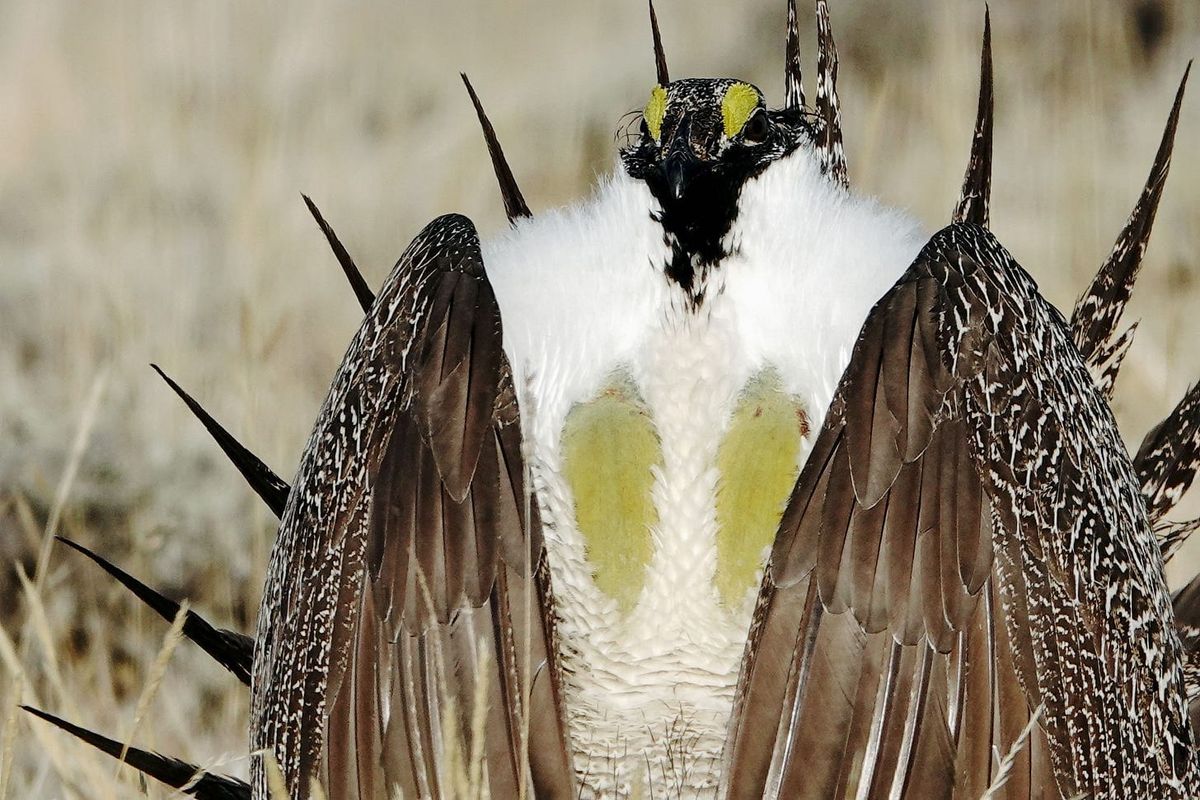
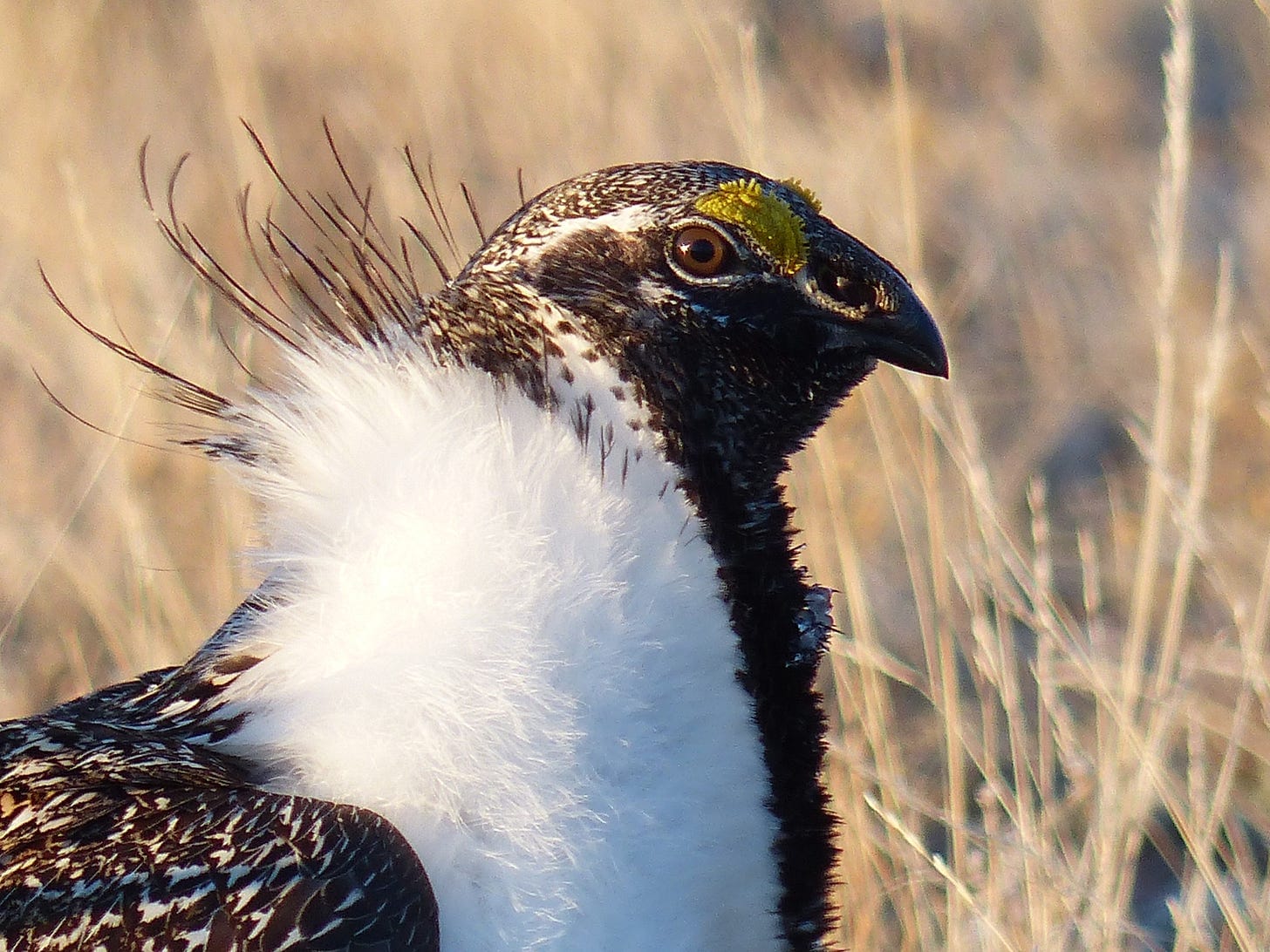
Prior to European settlement, greater sage grouse occupied more than 460,000 square miles across Montana, 12 Western states, and three Canadian provinces. These beautiful, chicken-sized birds are best known for the fantastic mating displays as males “dance” on breeding grounds called “leks” to attract females.
The Montana Department of Fish, Wildlife, and Parks estimates there were several million sage grouse in Montana when Europeans first arrived. But today, there are only an estimated 66,749 sage grouse in Montana, down from 74,334 in 2021.
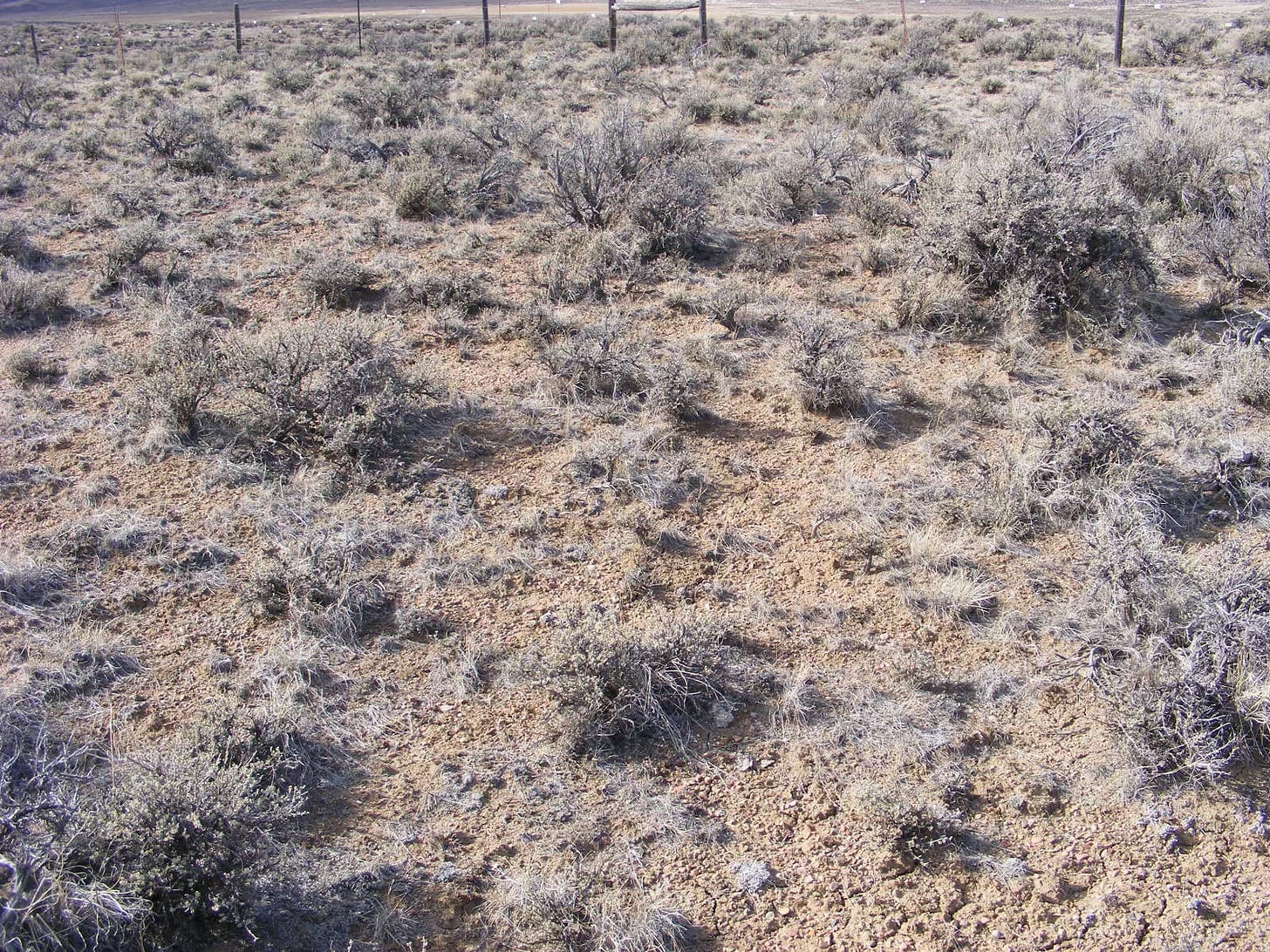
The sagebrush ecosystems they rely on have been largely destroyed, fragmented, and degraded by development, roads, ranching, and agriculture. Now, there are so few pristine and intact sagebrush ecosystems that their population has been in a continuous and precipitous decline. In 2010, Endangered Species Act protections for sage grouse were found to be “warranted but precluded” by political—not biological—considerations.
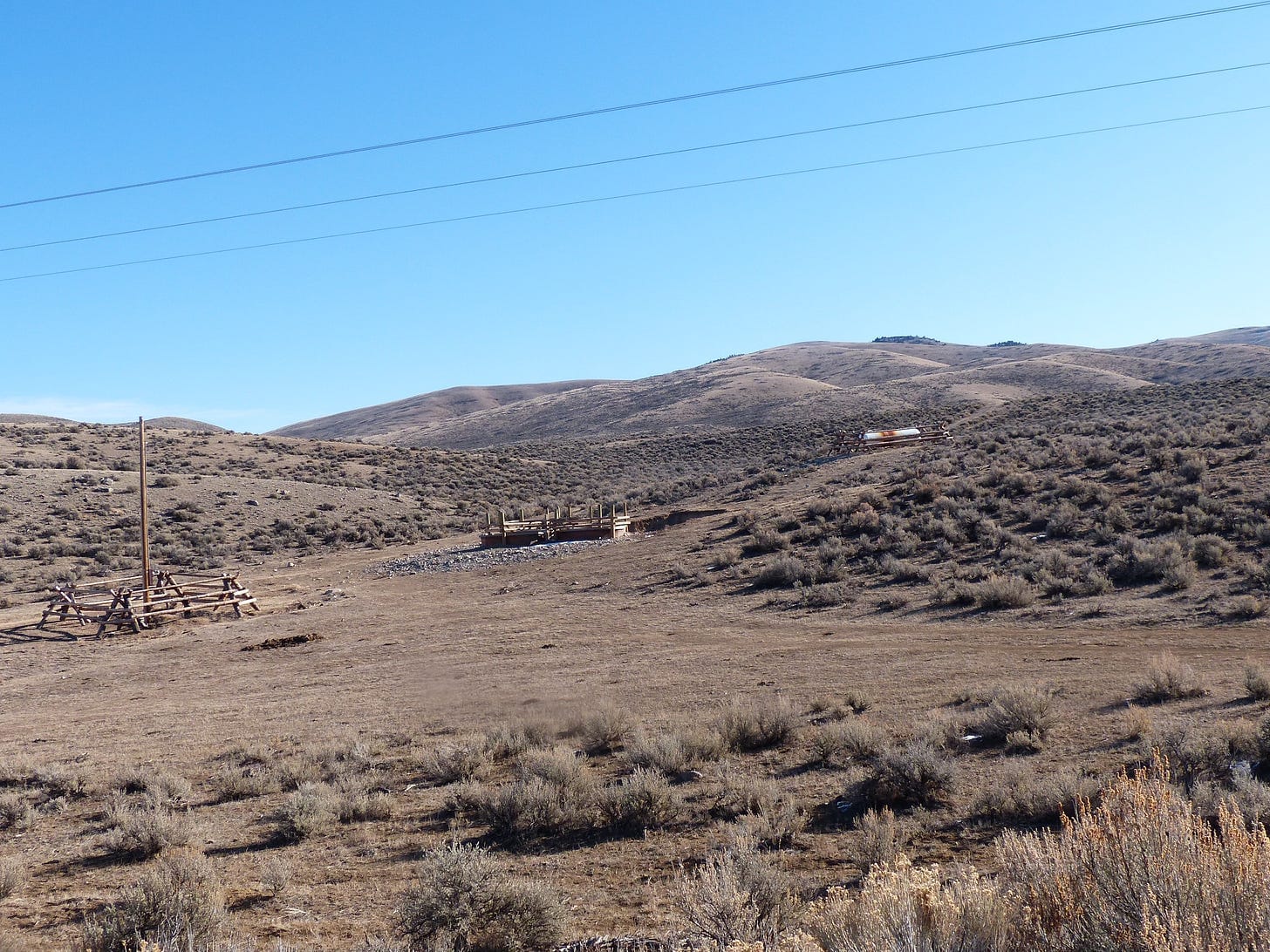
That’s why the Alliance sued the Bureau of Land Management (BLM) to challenge the agency’s plan to increase grazing during the spring sage grouse nesting season and funnel existing springs into new water tanks for cattle on 118,978 acres of public land in Grasshopper Watershed southwest of Dillon, Montana. Grazing is of particular concern in the Grasshopper Watershed because 92% of the acres managed by BLM are the highest priority habitat for sage grouse.
We are thrilled to announce the Court agreed with us that the BLM’s assessment of the effects of these changes in the best sage grouse habitat in all of Montana was illegal. Due to these serious flaws, the Court ordered the BLM to redo its analysis on how grazing affects sage grouse.
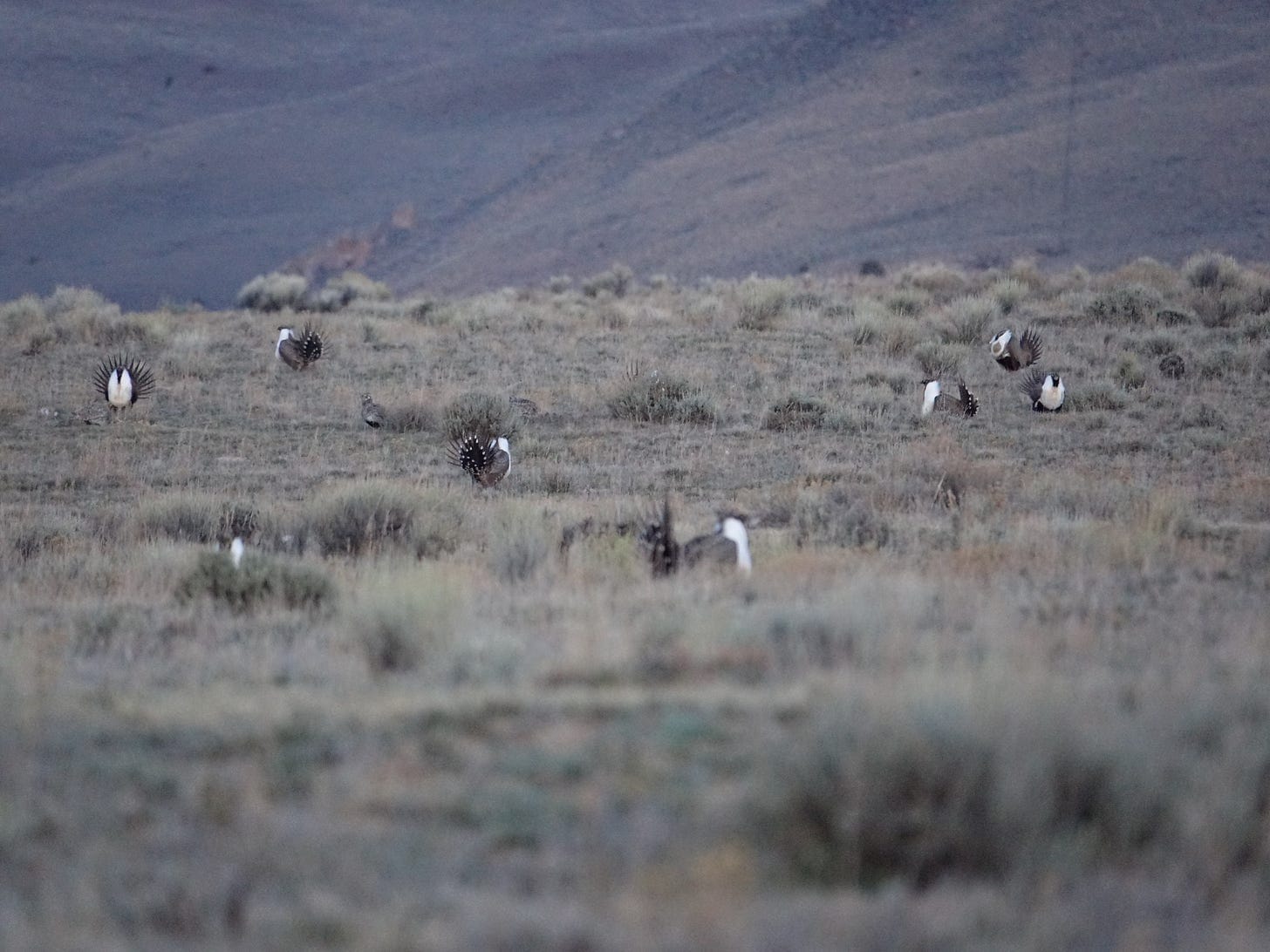
Why livestock harm sage grouse
Livestock grazing and grazing-related infrastructure are some of the most serious threats to sage grouse and sagebrush habitats. Cattle consume native plants upon which sage grouse rely, trample and destroy fragile soils, and increase the spread of weeds such as cheatgrass that replace sagebrush and are highly flammable. Cattle also disrupt sage grouse shelter, breeding, nesting, and other phases of the species’ annual life cycles and migration patterns.
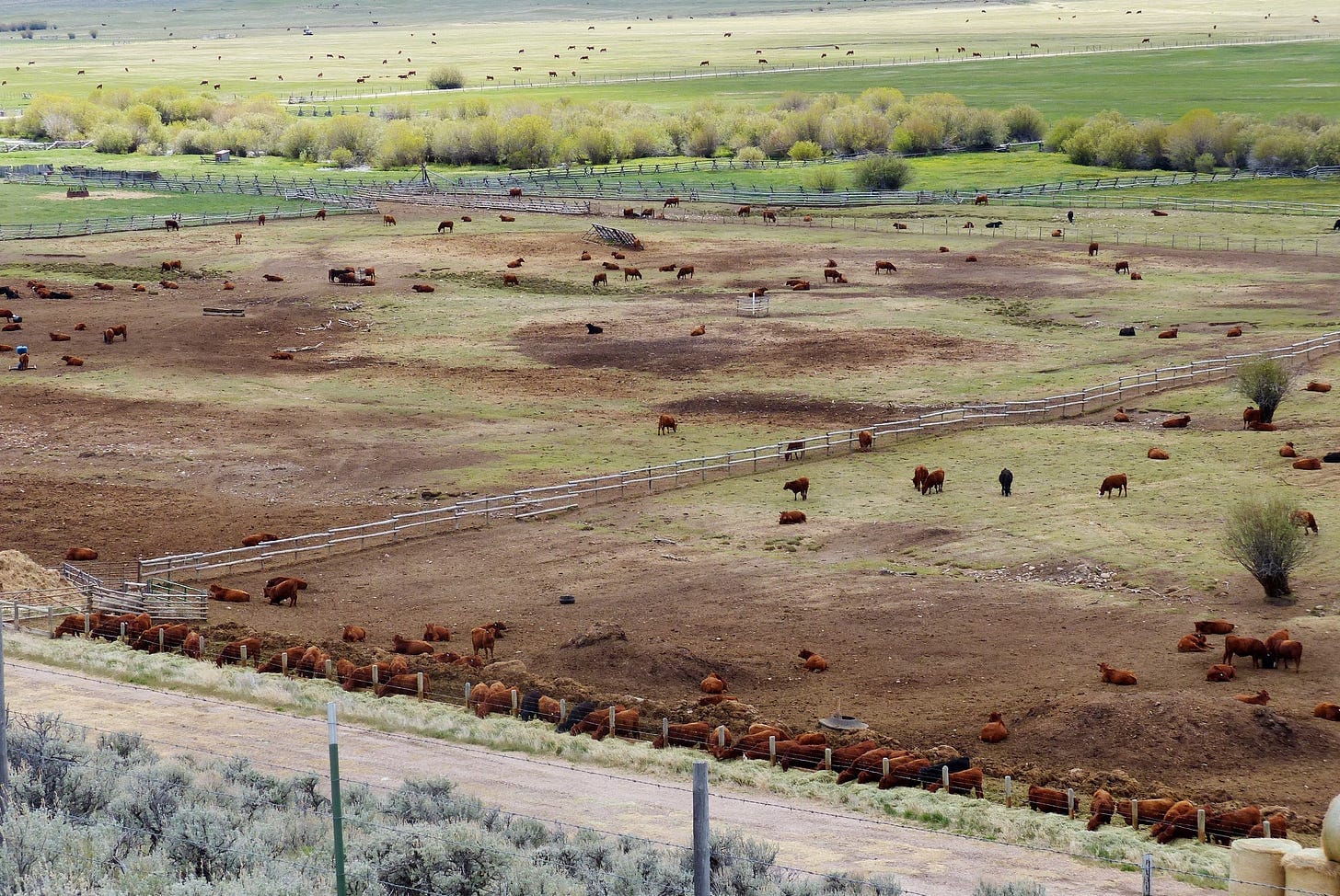
These effects are particularly pronounced around water developments for livestock, as they draw livestock to congregate. Livestock fences also provide perches for predators and can kill sage grouse if they fly into them.
Serious flaws in BLM’s analysis
The National Environmental Policy Act (NEPA) requires government agencies to take a “hard look” at any project’s potential and likely impacts to wildlife, including sage grouse and big game. Last week, the Court found the agency did not comply with that law on this project.
The Court faulted BLM for failing to disclose to the public data it possessed showing that the sage grouse population in southwest Montana has been declining, which biologists believe is a result of below-average recruitment for the past four years and in seven of the last 10 years. The Court wrote that the BLM “seemingly should know the answer to whether sage-grouse populations in the Watershed remain stable, have declined or have increased,” and that it in fact “did know, or at least knew better than disclosed, the status and trend of the sage-grouse populations in the watershed. NEPA requires Defendants to include all relevant data that supports the conclusions in their EA.”
We wish we didn’t have to take the federal government to court to protect rather than destroy sage grouse habitat. But someone has to stand up for the sage grouse. We did, and we won.
Please consider helping the Alliance for the Wild Rockies protect sage grouse since the Trump administration will most likely appeal our court victory.